
Understanding

Integrative Therapy

Integrative therapy is a flexible form of talking therapy that draws on several psychological approaches to respond to your unique needs, rather than using a single method. It aims to support you as a whole person, considering your thoughts, emotions, body, relationships, and life circumstances. Many people in Manchester choose integrative counselling when they want a personalised way of working that can adapt as their situation and understanding change.

Section Divider with Manchester Counselling Logo

What is Integrative Therapy?

Integrative therapy developed as therapists began to recognise that no single model can fully explain the complexity of human experience. Rather than following one tradition, integrative therapists bring together ideas and techniques from approaches such as humanistic, psychodynamic, and cognitive-behavioural therapies. The aim is not to mix methods at random, but to use them in a thoughtful, coherent way that fits the individual in front of them. At its core, integrative therapy sees each person as unique, with their own history, strengths, and challenges. Emotional distress is often understood as arising from a combination of factors, such as early experiences, current relationships, life stress, and how we make sense of ourselves. The therapy focuses on increasing awareness, strengthening coping, and exploring patterns that might be keeping you stuck, while working at a pace that feels manageable and respectful. Integrative therapy also places great emphasis on the relationship between therapist and client. A safe, collaborative counselling relationship in Manchester can offer space to explore difficult feelings, experiment with new ways of relating, and develop a more balanced view of yourself. By drawing on different theories and techniques, the therapist can adjust the work over time so it remains relevant to what you need at each stage.

READ MORE

How does Integrative Therapy work?

In integrative therapy, you and your therapist begin by developing a shared understanding of what has brought you to counselling and what you hope might change. The therapist will listen carefully to your story and may suggest different ways of working, drawing from a range of models to support you. This might include exploring past experiences, looking at present-day patterns, building practical coping strategies, or paying attention to how you feel in the moment.

As therapy progresses, the focus can shift in line with your needs. At times the work may feel more reflective and exploratory, at other times it may feel more structured and skills based. The therapist regularly checks in with you about how you are finding the sessions and adjusts the approach accordingly. Over time, this can help you understand yourself more clearly, relate differently to others, and feel better resourced to handle challenges in everyday life in Manchester.

Key therapeutic techniques:

  • Collaborative goal setting and regular review

  • Exploring links between past experiences and present difficulties

  • Emotion-focused exploration and reflective dialogue

  • Developing practical coping strategies and skills to use between sessions

READ MORE

Try a free self-test

It's not a diagnosis, but it can help you decide if speaking to a therapist could be beneficial.

What to expect in Integrative Therapy sessions

Initial Assessment

You and your therapist discuss what has led you to seek therapy and what you hope for. Together, you consider whether integrative counselling feels like a good fit for you.

Building Understanding

Your therapist listens to your experiences and asks gentle, focused questions. You work together to identify patterns, themes, and areas that feel most important to explore.

Active Work

Sessions may include reflection, emotional processing, and learning new ways of coping. The therapist draws on different approaches to support you, while keeping the work manageable and relevant.

Progress & Growth

You periodically review what feels different and what still feels difficult. Together, you consider how to consolidate gains and carry your learning forward beyond therapy.

How structured is integrative therapy?

How long does integrative therapy usually last?

Will my therapist use lots of different techniques in one session?

How can I access integrative therapy?

Section Divider with Manchester Counselling Logo
Therapists offering Integrative Therapy in Manchester

Our team uses evidence-based approaches tailored to each client's unique needs. Here are some of the therapeutic methods that have proven highly effective for anxiety:

Understanding

Integrative Therapy

Integrative therapy is a flexible form of talking therapy that draws on several psychological approaches to respond to your unique needs, rather than using a single method. It aims to support you as a whole person, considering your thoughts, emotions, body, relationships, and life circumstances. Many people in Manchester choose integrative counselling when they want a personalised way of working that can adapt as their situation and understanding change.

Section Divider with Manchester Counselling Logo

What is Integrative Therapy?

Integrative therapy developed as therapists began to recognise that no single model can fully explain the complexity of human experience. Rather than following one tradition, integrative therapists bring together ideas and techniques from approaches such as humanistic, psychodynamic, and cognitive-behavioural therapies. The aim is not to mix methods at random, but to use them in a thoughtful, coherent way that fits the individual in front of them. At its core, integrative therapy sees each person as unique, with their own history, strengths, and challenges. Emotional distress is often understood as arising from a combination of factors, such as early experiences, current relationships, life stress, and how we make sense of ourselves. The therapy focuses on increasing awareness, strengthening coping, and exploring patterns that might be keeping you stuck, while working at a pace that feels manageable and respectful. Integrative therapy also places great emphasis on the relationship between therapist and client. A safe, collaborative counselling relationship in Manchester can offer space to explore difficult feelings, experiment with new ways of relating, and develop a more balanced view of yourself. By drawing on different theories and techniques, the therapist can adjust the work over time so it remains relevant to what you need at each stage.

READ MORE

How does Integrative Therapy work?

In integrative therapy, you and your therapist begin by developing a shared understanding of what has brought you to counselling and what you hope might change. The therapist will listen carefully to your story and may suggest different ways of working, drawing from a range of models to support you. This might include exploring past experiences, looking at present-day patterns, building practical coping strategies, or paying attention to how you feel in the moment.

As therapy progresses, the focus can shift in line with your needs. At times the work may feel more reflective and exploratory, at other times it may feel more structured and skills based. The therapist regularly checks in with you about how you are finding the sessions and adjusts the approach accordingly. Over time, this can help you understand yourself more clearly, relate differently to others, and feel better resourced to handle challenges in everyday life in Manchester.

Key therapeutic techniques:

  • Collaborative goal setting and regular review

  • Exploring links between past experiences and present difficulties

  • Emotion-focused exploration and reflective dialogue

  • Developing practical coping strategies and skills to use between sessions

READ MORE

Try a free self-test

It's not a diagnosis, but it can help you decide if speaking to a therapist could be beneficial.

What to expect in Integrative Therapy sessions

Initial Assessment

You and your therapist discuss what has led you to seek therapy and what you hope for. Together, you consider whether integrative counselling feels like a good fit for you.

Building Understanding

Your therapist listens to your experiences and asks gentle, focused questions. You work together to identify patterns, themes, and areas that feel most important to explore.

Active Work

Sessions may include reflection, emotional processing, and learning new ways of coping. The therapist draws on different approaches to support you, while keeping the work manageable and relevant.

Progress & Growth

You periodically review what feels different and what still feels difficult. Together, you consider how to consolidate gains and carry your learning forward beyond therapy.

How structured is integrative therapy?

How long does integrative therapy usually last?

Will my therapist use lots of different techniques in one session?

How can I access integrative therapy?

Section Divider with Manchester Counselling Logo
Therapists offering Integrative Therapy in Manchester

Our team uses evidence-based approaches tailored to each client's unique needs. Here are some of the therapeutic methods that have proven highly effective for anxiety:

Understanding

Integrative Therapy

Integrative therapy is a flexible form of talking therapy that draws on several psychological approaches to respond to your unique needs, rather than using a single method. It aims to support you as a whole person, considering your thoughts, emotions, body, relationships, and life circumstances. Many people in Manchester choose integrative counselling when they want a personalised way of working that can adapt as their situation and understanding change.

Section divider with Manchester Counselling Logo

What is Integrative Therapy?

Integrative therapy developed as therapists began to recognise that no single model can fully explain the complexity of human experience. Rather than following one tradition, integrative therapists bring together ideas and techniques from approaches such as humanistic, psychodynamic, and cognitive-behavioural therapies. The aim is not to mix methods at random, but to use them in a thoughtful, coherent way that fits the individual in front of them. At its core, integrative therapy sees each person as unique, with their own history, strengths, and challenges. Emotional distress is often understood as arising from a combination of factors, such as early experiences, current relationships, life stress, and how we make sense of ourselves. The therapy focuses on increasing awareness, strengthening coping, and exploring patterns that might be keeping you stuck, while working at a pace that feels manageable and respectful. Integrative therapy also places great emphasis on the relationship between therapist and client. A safe, collaborative counselling relationship in Manchester can offer space to explore difficult feelings, experiment with new ways of relating, and develop a more balanced view of yourself. By drawing on different theories and techniques, the therapist can adjust the work over time so it remains relevant to what you need at each stage.

READ MORE

How does Integrative Therapy work?

In integrative therapy, you and your therapist begin by developing a shared understanding of what has brought you to counselling and what you hope might change. The therapist will listen carefully to your story and may suggest different ways of working, drawing from a range of models to support you. This might include exploring past experiences, looking at present-day patterns, building practical coping strategies, or paying attention to how you feel in the moment.

As therapy progresses, the focus can shift in line with your needs. At times the work may feel more reflective and exploratory, at other times it may feel more structured and skills based. The therapist regularly checks in with you about how you are finding the sessions and adjusts the approach accordingly. Over time, this can help you understand yourself more clearly, relate differently to others, and feel better resourced to handle challenges in everyday life in Manchester.

Key therapeutic techniques:

  • Collaborative goal setting and regular review

  • Exploring links between past experiences and present difficulties

  • Emotion-focused exploration and reflective dialogue

  • Developing practical coping strategies and skills to use between sessions

READ MORE

Try a free self-test

It's not a diagnosis, but it can help you decide if speaking to a therapist could be beneficial.

What to expect in Integrative Therapy sessions

Initial Assessment

You and your therapist discuss what has led you to seek therapy and what you hope for. Together, you consider whether integrative counselling feels like a good fit for you.

Building Understanding

Your therapist listens to your experiences and asks gentle, focused questions. You work together to identify patterns, themes, and areas that feel most important to explore.

Active Work

Sessions may include reflection, emotional processing, and learning new ways of coping. The therapist draws on different approaches to support you, while keeping the work manageable and relevant.

Progress & Growth

You periodically review what feels different and what still feels difficult. Together, you consider how to consolidate gains and carry your learning forward beyond therapy.

How structured is integrative therapy?

How long does integrative therapy usually last?

Will my therapist use lots of different techniques in one session?

How can I access integrative therapy?

Section Divider with Manchester Counselling Logo
Therapists offering Integrative Therapy in Manchester

Our team uses evidence-based approaches tailored to each client's unique needs. Here are some of the therapeutic methods that have proven highly effective for anxiety:

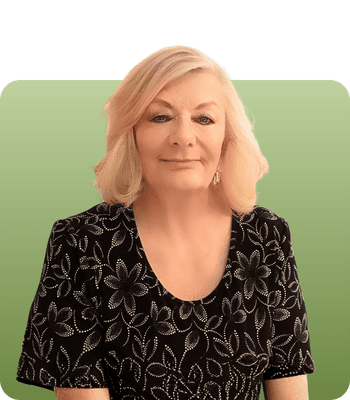
Donna Black, person-centred counsellor and psychotherapist at Manchester Counselling

Donna Black

text

Donna Black is a Masters qualified counsellor and psychotherapist with 2,000+ clinical hours' experience. With a background in nursing and social work spanning over 20 years, Donna brings a compassionate, person-centred approach to supporting adults experiencing anxiety, depression, relationship difficulties, and life transitions. She offers both online and face-to-face therapy in Manchester.

Show More

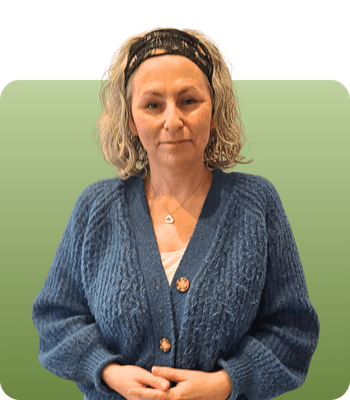
Corinna Hornsby-Walsh, BACP registered counsellor and psychotherapist at Manchester Counselling

Corinna Hornsby-Walsh

text

Corinna Hornsby-Walsh is a BACP registered counsellor and psychotherapist with a Masters degree (Distinction) and 1,600 clinical hours' experience. Since 2018, Corinna has worked across various settings including domestic abuse services and charities. She offers a down-to-earth, person-centred approach, working with adults experiencing anxiety, depression, relationship issues, and self-esteem difficulties.

Show More

Tahseen Rizvi, BACP accredited Integrative Trauma Psychotherapist at Manchester Counselling

Tahseen Rizvi

text

Tahseen Rizvi is a BACP accredited Integrative Trauma Psychotherapist and Counsellor with over six years' clinical experience and 2,000 practice hours. Tahseen works with adults, children, and young people experiencing anxiety, depression, trauma, relationship difficulties, and life transitions. She offers a compassionate, evidence-based approach tailored to each client's unique needs.

Show More

Abby Hennessey, Integrative Psychotherapeutic Counsellor at Manchester Counselling

Abby Hennessey

text

Abby is an Integrative Psychotherapeutic Counsellor offering therapy in Central Manchester for people experiencing anxiety, stress, depression, and relationship difficulties. With a background in social work and organisational psychology, Abby helps clients understand patterns that may be holding them back and supports them in reconnecting with themselves and what matters most. She also offers specialist couples therapy.

Show More

Saima Arshad, MBACP accredited Integrative Therapist at Manchester Counselling

Saima Arshad

text

Saima is an MBACP accredited Integrative Therapist and qualified social worker with over 13 years' experience in mental health across private practice, NHS, social services, and charitable organisations. With 3,000+ clinical hours, Saima offers a warm, collaborative approach tailored to each client's unique journey.

Show More

Alice Spencer, MBACP person-centred therapist in Manchester supporting children, young people, and adults with trauma and life transitions.

Alice Spencer

text

Manchester City Centre, Deansgate, Spinningfields, Castlefield, Cornbrook, Ordsall, Salford Quays, Hulme, Old Trafford, Trafford Park, Stretford, Chorlton-cum-Hardy, Whalley Range, Moss Side, Fallowfield, Withington, Didsbury, Rusholme, Victoria Park, Levenshulme, Longsight, Ardwick, Ancoats, New Islington, Miles Platting, Newton Heath, Moston, Blackley, Crumpsall, Cheetham Hill, Strangeways, Greengate, Salford, Broughton, Higher Broughton, Kersal, Prestwich, Swinton, Pendlebury, Eccles, Urmston, Flixton, Sale, Altrincham, Timperley, Northenden, Wythenshawe, Baguley, Sharston, Gatley, Cheadle, Heaton Moor, Heaton Chapel, Gorton, Openshaw, Clayton, Beswick, Middleton

Alice is a BACP-registered, person-centred therapist (MBACP) with over 1300 clinical hours of experience supporting children, young people, and adults. She offers thoughtful, flexible therapy for anxiety, trauma, bereavement, identity concerns, and life transitions, providing a culturally responsive and compassionate space where clients feel respected and understood.

Show More